The College of Arts and Sciences: Uniquely Purposeful
Work Skillfully:The Liberal Arts Advantage
The Difference
CAS is All For Advancing the Common Good
The College of Arts and Sciences prepares you to work skillfully to advance the common good. Through interdisciplinary learning and experiences that bridge cultures, faiths, and perspectives, you will discover how your gifts can address the complex challenges of our world. Whether exploring big questions through MILES (The Center for Multicultural and Interdisciplinary Learning Experiences for Students), engaging the rich traditions of Catholic, Irish, and interreligious studies, expressing the human experience through the arts, participating in conversations and experiences that bridge difference, or advancing sustainable solutions for the future, you will learn that knowledge finds its fullest meaning when it is directed toward the flourishing of others.
A liberal arts education equips graduates with more than technical expertise. It develops the adaptability, ethical judgment, cultural understanding, and collaborative skills needed to lead with purpose in an ever- changing world. St. Thomas graduates leave prepared not only for meaningful careers, but for lives of thoughtful leadership and lasting contribution.
“Education does not measure its value only on the axis of efficiency: it measures it according to dignity, justice, the capacity to serve the common good.”
—Pope Leo XIV
MILES: All For Going the Distance
Center for Multicultural and Interdisciplinary Learning Experiences for Students (MILES)
The purpose of the Center for Multicultural and Interdisciplinary Learning Experiences for Students (MILES) is to go the distance in building understanding across cultures and communities through learning experiences that integrate interdisciplinary thinking and ethical inquiry, both inside and outside the classroom.
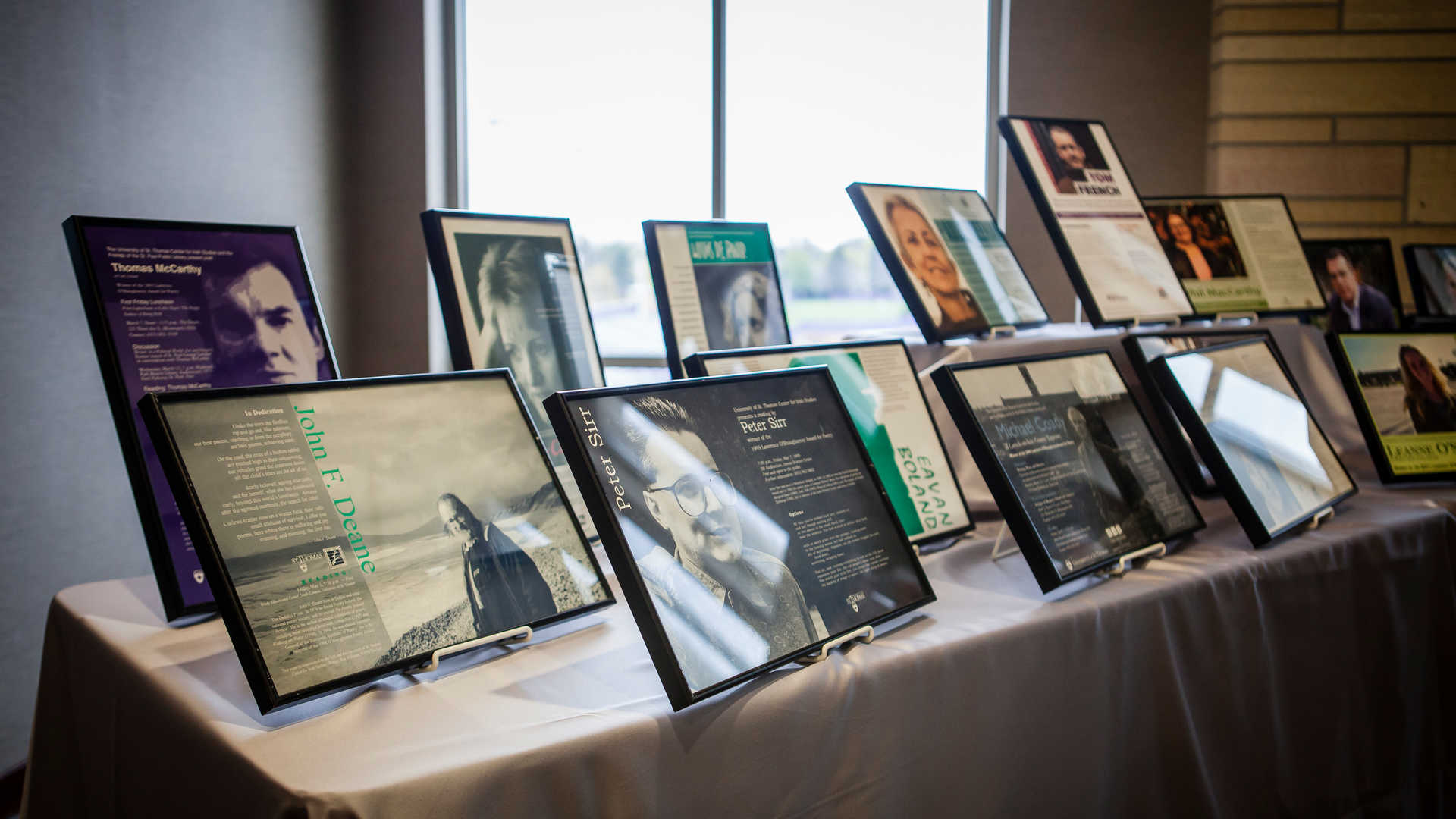
The College is home to ten intellectual centers and institutes. In addition to MILES and the three Centers listed below, the College is home to the Center for Applied Mathematics, the Center for Writing, the Habiger Institute, the John A. Ryan Institute for Catholic Social Thought, the Mathematics Resource Center, and the Murphy Institute.
Catholic Studies
The Center for Catholic Studies is internationally recognized for its distinctly integrated, interdisciplinary approach to faith and reason.
The Jay Phillips Center for Interreligious Studies at the University of St. Thomas is dedicated to the interdisciplinary study of interreligious relations and understanding.
Bridging Difference and Developing Moral Imagination
The "Bridging Difference and Developing Moral Imagination" initiative seeks to empower St. Thomas faculty and students to bridge differences, cultivate moral imagination, develop the capacity for empathy, and strengthen the relationships that sustain a thriving democracy.
Art is the glue that connects people and varying disciplines by tapping into emotions, increasing understanding, providing new perspectives, and empowering students with a sense of purpose and connection that serves the common good
In August 2024, the College of Arts and Sciences began the process of developing a strategic plan through meaningful stakeholder engagement. We sought to set clear priorities and ambitious — yet achievable — goals, culminating in a plan that articulates a compelling 5-10 year vision for the college.