Shape your voice, sharpen your skills, build your confidence
Master of Arts inCreative Writingand Publishing
Words Have Power
The MA program in Creative Writing and Publishing is focused on intensive practice in the craft of creative writing, as well as training in the theory and practice of publishing. In addition to participating in poetry, fiction, and creative-non-fiction workshops, students can take courses in literature, pedagogy, and cultural studies. Writing workshops are capped at 12 students, while literature seminars do not exceed 14. This allows for lively classroom engagement and personalized attention. The flexibility of our evening course schedule allows students to engage in a rigorous program while pursuing other career and personal goals.
Program Learning Outcomes
Students in the Master of Arts in Creative Writing and Publishing program will be able to demonstrate the ability to produce a sustained literary work of professional quality written as poetry, fiction, creative nonfiction, young adult literature, or a hybrid form. This work will demonstrate technical confidence, mature inquiry into literary form, and a well-developed individual voice or aesthetic.
Demonstrate the ability to analyze literature and articulate responses on craft with acuity and depth. This includes discussion of form and language; literary and cultural contexts; and predecessors, genres, and historical traditions.
Appraise and place their own work within literary and cultural contexts.
Work closely with faculty on your projects, gain access to a vibrant publishing community, and come out of the program with a chapbook-length creative writing manuscript. Students in our program receive a level of support and attention that other institutions reserve for doctoral-level students.
Program Overview
Degree Overview
Creative Writing Workshops
Identity & Power Course
English Electives
Final Project
Degree Overview
Students will complete a total of 10 courses (30 credits). Our courses often explore interdisciplinary connections between literature, film, cultural studies, and art history. Recent course offerings have included American, British, and multicultural literature as well as critical theory, creative writing, and professional editing. The curriculum includes the following:
GENG 501: Introduction to Creative Writing and Publishing (3 credits)
4 Creative Writing workshops (12 credits)
1 course in Identity & Power (3 credits)
3 English elective courses (9 credits) from a course such as literature, pedagogy, or linguistics
GENG 699: Final Project (3 credits)
Creative Writing Workshops
Students participate in writing workshops that reinforce concepts and skills by providing genre-specific applications. Recent course offerings include:
GENG 601: Fiction and Publishing Workshop
GENG 602: Multi-Genre: Draft & Craft
GENG 603: Workshop on the Novel
GENG 604: Writing Creative Nonfiction
Identity & Power Course
Identity & Power courses examine issues of identity and power in the construction, theorization, or interpretation of texts written by, about, or addressed to marginalized groups. Recent course offerings include:
GENG 516: Critical Eco-Feminism
GENG 558: Multi-Generational African American Drama
GENG 658: Reading Rural Blackness
GENG 659: Postcolonial Narratives
English Electives
Students will take courses in literature, pedagogy, linguistics, professional writing/editing, or cultural studies. Recent course offerings include:
GENG 547: The Politics of Emotion
GENG 560: Transatlantic Novels
GENG 572: History of the English Language
GENG 647: American Literature: Freedom and Constraint
Final Project
GENG 699 - Under the supervision of a faculty advisor, students complete a master’s project as the final requirement for their degree. Each student will create a chapbook-length portfolio of 40-50 pages such as a collection of poetry, literary fiction, young adult fiction or creative nonfiction. Students present their work to a review committee of a faculty advisor and two additional faculty readers. Students also share their work at the end of the semester at our celebratory presentation event.
Degree Overview
Students will complete a total of 10 courses (30 credits). Our courses often explore interdisciplinary connections between literature, film, cultural studies, and art history. Recent course offerings have included American, British, and multicultural literature as well as critical theory, creative writing, and professional editing. The curriculum includes the following:
GENG 501: Introduction to Creative Writing and Publishing (3 credits)
4 Creative Writing workshops (12 credits)
1 course in Identity & Power (3 credits)
3 English elective courses (9 credits) from a course such as literature, pedagogy, or linguistics
GENG 699: Final Project (3 credits)
Creative Writing Workshops
Students participate in writing workshops that reinforce concepts and skills by providing genre-specific applications. Recent course offerings include:
GENG 601: Fiction and Publishing Workshop
GENG 602: Multi-Genre: Draft & Craft
GENG 603: Workshop on the Novel
GENG 604: Writing Creative Nonfiction
Identity & Power Course
Identity & Power courses examine issues of identity and power in the construction, theorization, or interpretation of texts written by, about, or addressed to marginalized groups. Recent course offerings include:
GENG 516: Critical Eco-Feminism
GENG 558: Multi-Generational African American Drama
GENG 658: Reading Rural Blackness
GENG 659: Postcolonial Narratives
English Electives
Students will take courses in literature, pedagogy, linguistics, professional writing/editing, or cultural studies. Recent course offerings include:
GENG 547: The Politics of Emotion
GENG 560: Transatlantic Novels
GENG 572: History of the English Language
GENG 647: American Literature: Freedom and Constraint
Final Project
GENG 699 - Under the supervision of a faculty advisor, students complete a master’s project as the final requirement for their degree. Each student will create a chapbook-length portfolio of 40-50 pages such as a collection of poetry, literary fiction, young adult fiction or creative nonfiction. Students present their work to a review committee of a faculty advisor and two additional faculty readers. Students also share their work at the end of the semester at our celebratory presentation event.
The Dean's Office in the College of Arts & Sciences offers a limited number of scholarships to students admitted to its graduate programs.
These scholarships are intended to appreciate scholastic achievement and to recognize academic potential among incoming students. A limited number of scholarships are available; if you are interested in applying, please check the box that is embedded in the application in order to receive more information
Awards will typically be granted on a per course basis and, depending on availability of funds, will typically apply for up to three years when the recipient remains in good academic standing (with a GPA of 3.5 or above). Communication about awards will come from the program to which the student applies.
Financial Aid and Work Opportunities
DFC Graduate Teaching Fellow
Teaching Mentorships
Research Grants
Internship Opportunities
Writing Consultant Positions
DFC Graduate Teaching Fellow
The Graduate Teaching Fellow will provide support to a faculty instructor who is assigned to teach core literature and writing courses in Dougherty Family College (DFC). The teaching fellow will attend all class sessions; help grade informal and formal writing assignments; update/coordinate Canvas and other forms of course record-keeping; lead class activities or discussions on selected topics; work in the Scholar’s Resource Center; and mentor students individually and in small groups.
DFC is a two-year college within the University of St. Thomas located on our downtown Minneapolis campus. Their curriculum is specially designed to eliminate the educational attainment and workforce gaps. DFC provides a structured and culturally affirming pathway toward a four-year degree.
The Master of Arts in English Program funds five Teaching Mentorships each year for students interested in teaching. Students are paired with a full-time faculty member to shadow and assist them in teaching an undergraduate course. Students will help teach, design assignments, meet with students, and more. These Mentorships are paid per hour with a maximum of 50 hours over the semester.
Research Grants
$10,000 Graduate Team Research Grant
This University of St. Thomas grant funds teams of St. Thomas faculty and graduate student(s) who work together on a significant research project or creative activity over an 8-12 week period during the summer.
$1,000 Student Research Grant
The Graduate English Student Research Grant provides funding to support student research involving domestic or international travel to visit archives, libraries, museums, and other research sites.
Conference Grants
Students attending conferences and presenting a paper may request a conference participation grant of up to $500.
Internship Opportunities
The skills you learn as an English major/minor—critical thinking, close reading, analysis, writing, and editing to name a few—are more important than ever in a society where more words are being produced than at any other time in history because of the internet. All students are encouraged to learn experientially through an internship, part-time job, or volunteerism. The below internship opportunities are suggestions for local Minnesota positions where you can begin to imagine connections between the work you do in the classroom and the life you will build for yourself after graduation. Interns have worked at 1517 Media, The Loft Literary Center, Milkweed Editions, Redleaf Press, and elsewhere.
Writing Consultant Positions
Through these positions, graduate students gain experience working one-on-one with undergraduate and graduate students, gain insight into writing theory and pedagogy (including collaborative learning, process theory, writing across the curriculum, basic writing, and ESL), and learn writing center administration.
The Graduate Teaching Fellow will provide support to a faculty instructor who is assigned to teach core literature and writing courses in Dougherty Family College (DFC). The teaching fellow will attend all class sessions; help grade informal and formal writing assignments; update/coordinate Canvas and other forms of course record-keeping; lead class activities or discussions on selected topics; work in the Scholar’s Resource Center; and mentor students individually and in small groups.
DFC is a two-year college within the University of St. Thomas located on our downtown Minneapolis campus. Their curriculum is specially designed to eliminate the educational attainment and workforce gaps. DFC provides a structured and culturally affirming pathway toward a four-year degree.
The Master of Arts in English Program funds five Teaching Mentorships each year for students interested in teaching. Students are paired with a full-time faculty member to shadow and assist them in teaching an undergraduate course. Students will help teach, design assignments, meet with students, and more. These Mentorships are paid per hour with a maximum of 50 hours over the semester.
Research Grants
$10,000 Graduate Team Research Grant
This University of St. Thomas grant funds teams of St. Thomas faculty and graduate student(s) who work together on a significant research project or creative activity over an 8-12 week period during the summer.
$1,000 Student Research Grant
The Graduate English Student Research Grant provides funding to support student research involving domestic or international travel to visit archives, libraries, museums, and other research sites.
Conference Grants
Students attending conferences and presenting a paper may request a conference participation grant of up to $500.
Internship Opportunities
The skills you learn as an English major/minor—critical thinking, close reading, analysis, writing, and editing to name a few—are more important than ever in a society where more words are being produced than at any other time in history because of the internet. All students are encouraged to learn experientially through an internship, part-time job, or volunteerism. The below internship opportunities are suggestions for local Minnesota positions where you can begin to imagine connections between the work you do in the classroom and the life you will build for yourself after graduation. Interns have worked at 1517 Media, The Loft Literary Center, Milkweed Editions, Redleaf Press, and elsewhere.
Writing Consultant Positions
Through these positions, graduate students gain experience working one-on-one with undergraduate and graduate students, gain insight into writing theory and pedagogy (including collaborative learning, process theory, writing across the curriculum, basic writing, and ESL), and learn writing center administration.
The Creative Writing program at the University of St. Thomas took me beyond the dream of becoming a writer by making me believe in my voice and the stories I have to share with the world. This program pushed me out of my comfort zone and encouraged me to explore all creative genres, many of which had long intimidated me. The incredible support I received from my classmates and knowledgeable professors was another unexpected and memorable aspect of my time in the classroom, where I worked on my craft. Without these two years shared with fellow writers, I would not have gained the confidence and mastery to call myself a writer.
“One of the biggest reasons I returned to St. Thomas for my Masters was because of the faculty. The willingness of instructors to extend their expertise and knowledge has been invaluable. They’re doing a lot of work to demystify the art of writing craft and the publishing industry, all while fostering a safe and thoughtful learning environment. Whether it was in the classroom or in independent studies, faculty time and again helped me realize my personal and academic goals through their attentive care. Because of their support and encouragement, I feel confident in the skills I learned while in the program and excited for what my future writing career holds.”
“Through my time in the program, my knowledge about the publishing world expanded immensely due to the opportunity to attend multiple literary events on campus, classroom visits with authors, publishers, and editors, and even hearing about my professors’ first-hand experiences with the publishing world. From these opportunities, I feel confident that I have the knowledge to help me excel in a career within the publishing industry. This program allowed me to explore and learn about multiple career paths that I can take, ranging from becoming a literary agent to what it means to be a freelance writer. I also have been able to refine my skills as a writer and challenge myself through workshops across various forms.”
“My two years at the University of St Thomas Masters of Creative Writing Program truly helped me grow as a writer and hone in on my creative writing styles by challenging me to find my voice and passion. As a student of color, I really appreciated the classes that intentionally focused on BIPOC writing / diaspora because I felt as if there was a safe space for me to discuss the complexities and intersectionalities of my BIPOC characters / voices in my creative writing skills. This program provides so many opportunities for writers to grow their portfolio through opportunities such as teaching mentorships, research and editorial assistantships, and writing consultant positions. The staff and faculty also continue to keep up with the nationwide creative writing / literature network and share various opportunities for the students to apply for, such as conferences or local readings. These opportunities and networks showed me the various career paths I could take as a writer and how I could continue to thrive after graduating from St. Thomas University.”
Faculty
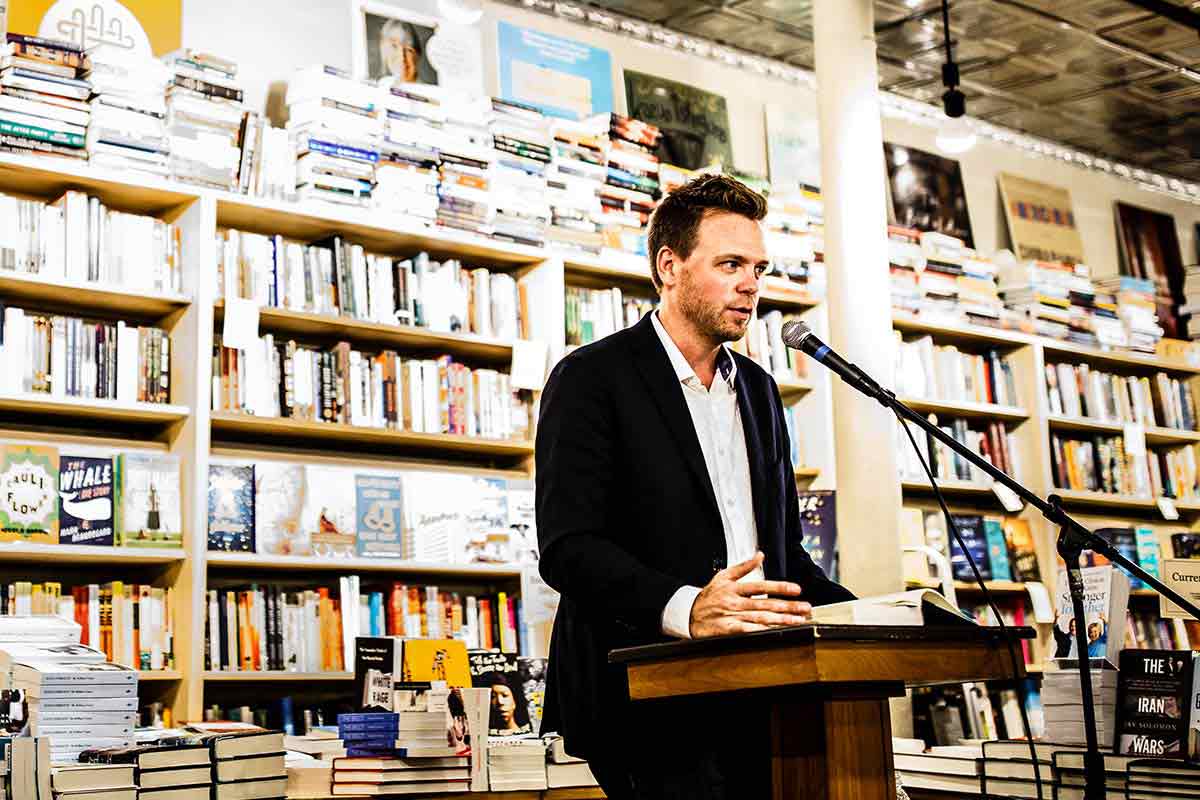
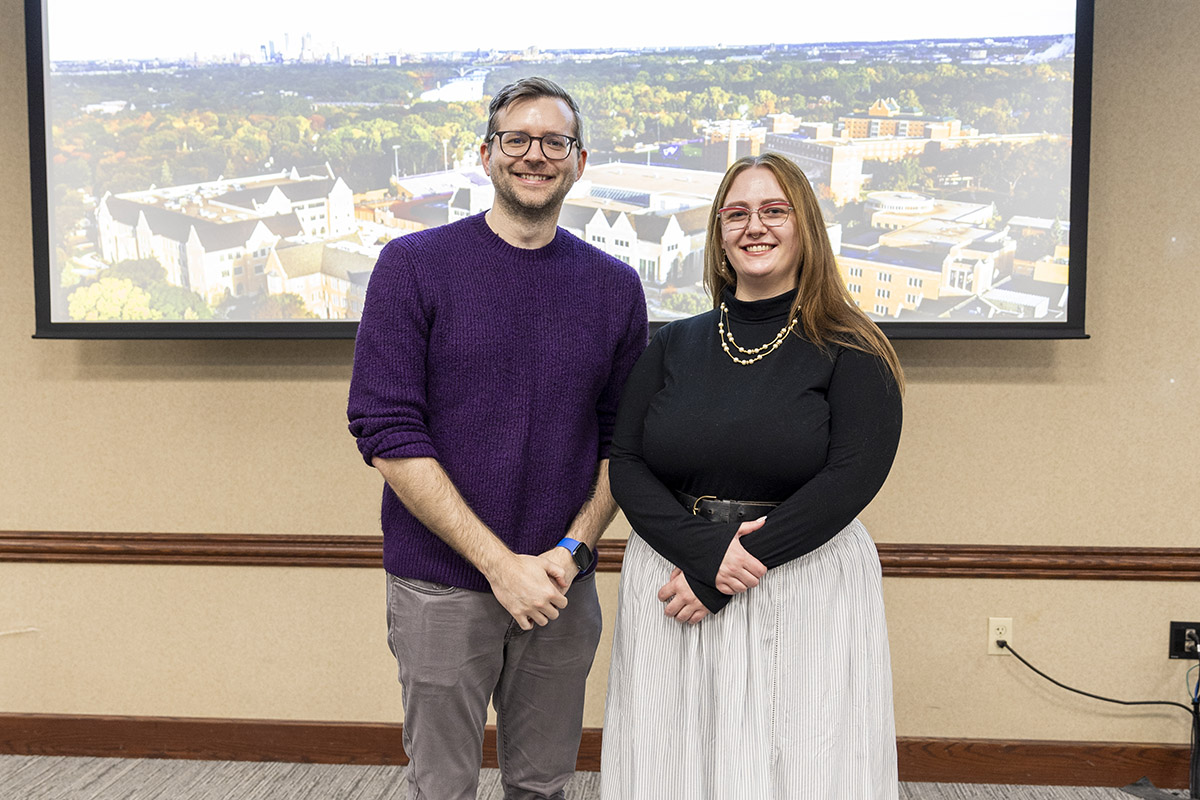
Our faculty members are award-winning writers who have published with some of the country's finest presses. They have close ties to many of the region's best publishers, including Coffee House Press, Graywolf Press and Milkweed Editions. Students work closely with faculty mentors throughout their graduate studies, culminating a chapbook-length creative project at the conclusion of the program.
Dr. Matthew Batt
Matthew Batt is author of the memoirs The Last Supper Club and Sugarhouse. His fiction and nonfiction have been featured in the New York Times,Outside Magazine, the Huffington Post,Tin House, and elsewhere. He has been the recipient of grants from the National Endowment for the Arts, the McKnight Foundation, and the Aspen Writers' Institute.
His latest memoir, The Last Supper Club, is the story of how he, a forty-something professor on sabbatical, found himself returning to a job waiting tables. And loving it. In the rare and vivid memoir, he details the challenge and satisfaction of meeting the demands of a fine dining restaurant's frenzied kitchen and equally expectant crowd. Told with sharp humor, humility, and a keen sense of what matters, The Last Supper Club is an ode to working in restaurants, the relationships that get you to the night's close, and finding yourself through—or perhaps because of—the chaos of it all.
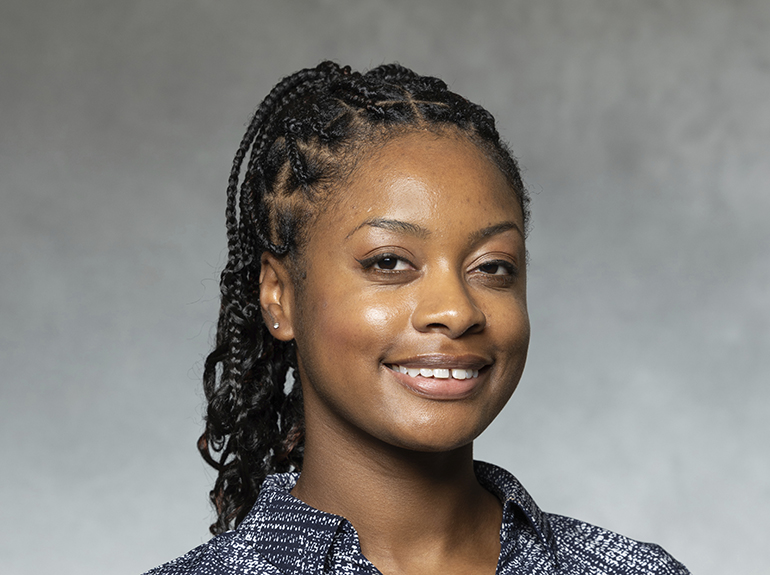
Leila Renee is a fiction writer originally from Milwaukee. She holds an MFA in Fiction from Syracuse University and currently teaches creative writing and literature courses in the undergraduate and graduate English programs at St. Thomas. Her stories have been published in McSweeney’s, Kenyon Review, Prairie Schooner, and more. Her first novel, Soft Spots, is forthcoming in 2026.
Dr. Bouwman writes novels for young people—chapter books for emerging readers and novels for ages 10+, including the middle-grade historical fantasy A Crack in the Sea and its companion, the fantasy novel A Tear in the Ocean, and in 2025, the historical novel Scattergood. She's the recipient of a McKnight fellowship as well as other awards, and her novels have been finalists for the Minnesota Book Awards.
Heather especially loves historical fantasy, genre mashups, fairy tale retellings, and multiplotted novels. She loves reading and teaching fantasy; YA and children's literature; and the novel as a genre.
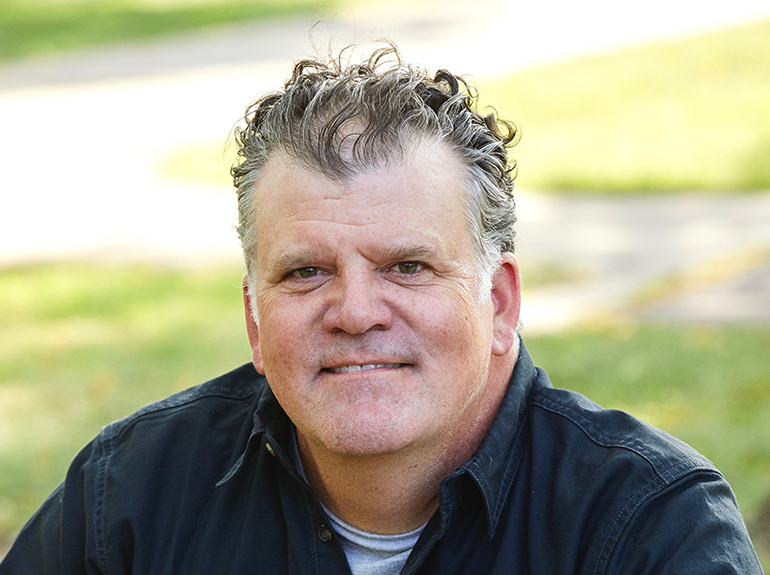
Dr. Tankersley (he/him) is the author of the short story collection Sin Eaters—winner of the Permafrost Book Prize—and the poetry chapbook Jesus Works the Night Shift. He writes and publishes fiction, poetry, nonfiction, and hybrid work. His writing can be found in Carve, The Cimarron Review, Hayden’s Ferry Review, Sycamore Review, and other magazines. His stories have won multiple awards and nominations, and he has received fellowships and support from Bread Loaf, Tin House, and Millay Arts.
Caleb’s writing often explores the intersection of sexuality and religion, and he enjoys pushing the bounds of reality with speculative work. His writing and teaching are heavily informed by his work in publishing. For the last eight years he has been on staff at Split/Lip Press, now serving as Managing Director. Caleb is passionate about bringing publishing knowledge into the creative classroom.
The program is designed to take advantage of the robust publishing industry in the Twin Cities. As Publishing Trendsetter recently noted, “It's no exaggeration to call Minneapolis the publishing capital of the Midwest.” Graduates of our program will be well prepared to find internships and employment in this growing industry.
Non-Degree Options
If you've been out of school for a while or aren't sure about pursuing this degree, taking non-degree classes might be an ideal choice. When you sign up you will still participate as a full class member with a variety of students and faculty members. This option also gives you the chance to create a writing sample that can be used in the degree-seeking application. From there you can evaluate whether the program's offerings fit your needs, interests and abilities. If you decide to pursue the M.A. degree, a maximum of 10 credits may be approved for transfer into the program.